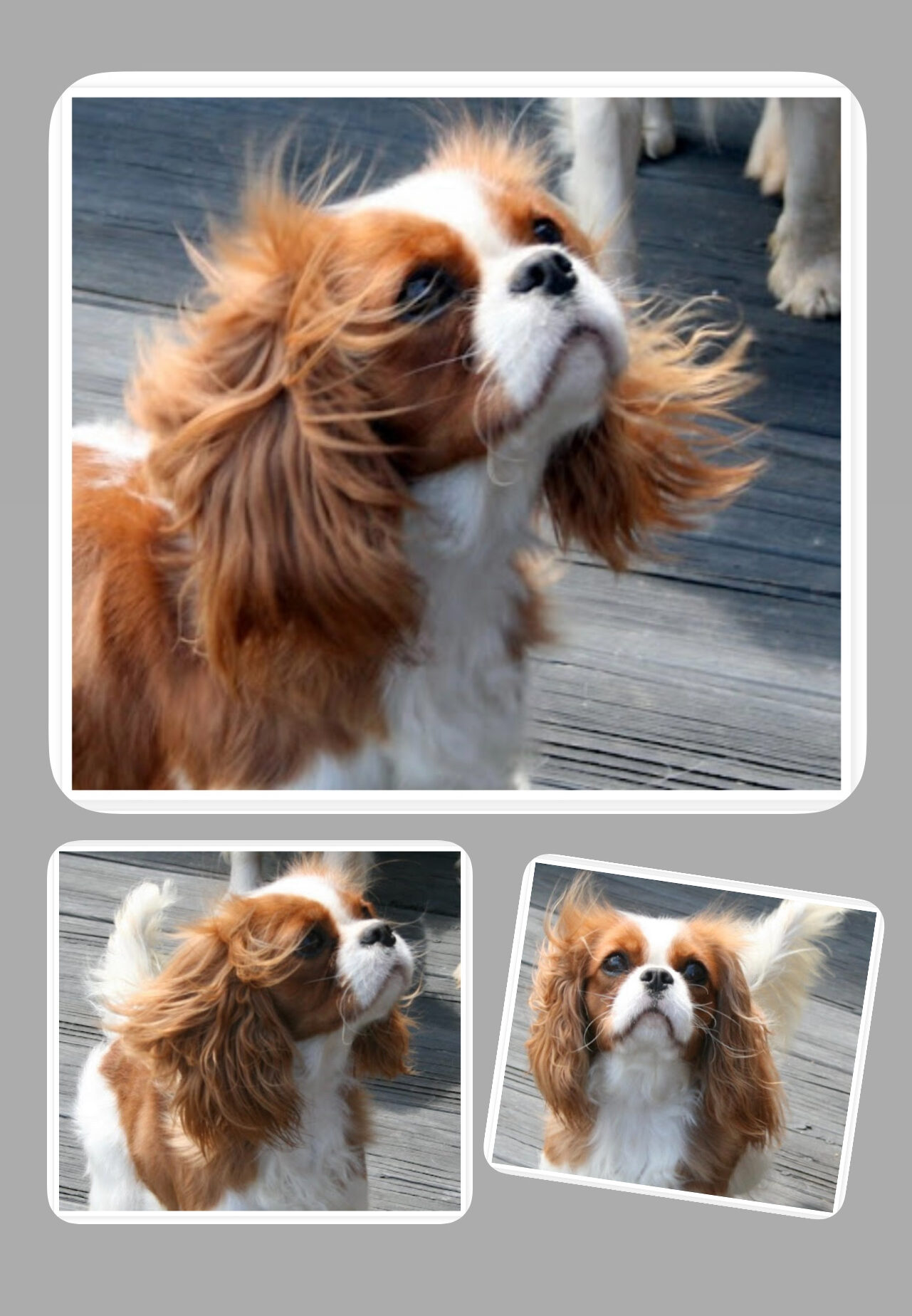

Ruby Cavalier King Charles Puppies
We have some beautiful Cavalier King Charles Ruby puppies! Ruby may be my favorite color. Beck was the first puppy in his litter to do everything – bark, dig holes, run around like a wild puppy! You name it, and he’s done it already. See details on our Puppy Page!
Older Cavalier King Charles Puppies
Don’t discount an older puppy! Older puppies can often mean nearer to show quality. As a breeder, we ‘run on’ puppies to see how they will turn out for the show ring — something that most pet owners are not concerned about. What’s most important to pet owners is the dog’s health and temperament. Thus, you could purchase a spectacular Cavalier as an older pup with the added advantages of the pup being potty trained, more socialized & with some obedience skills in place. Do not discount them simply because they’re past 12 weeks old.
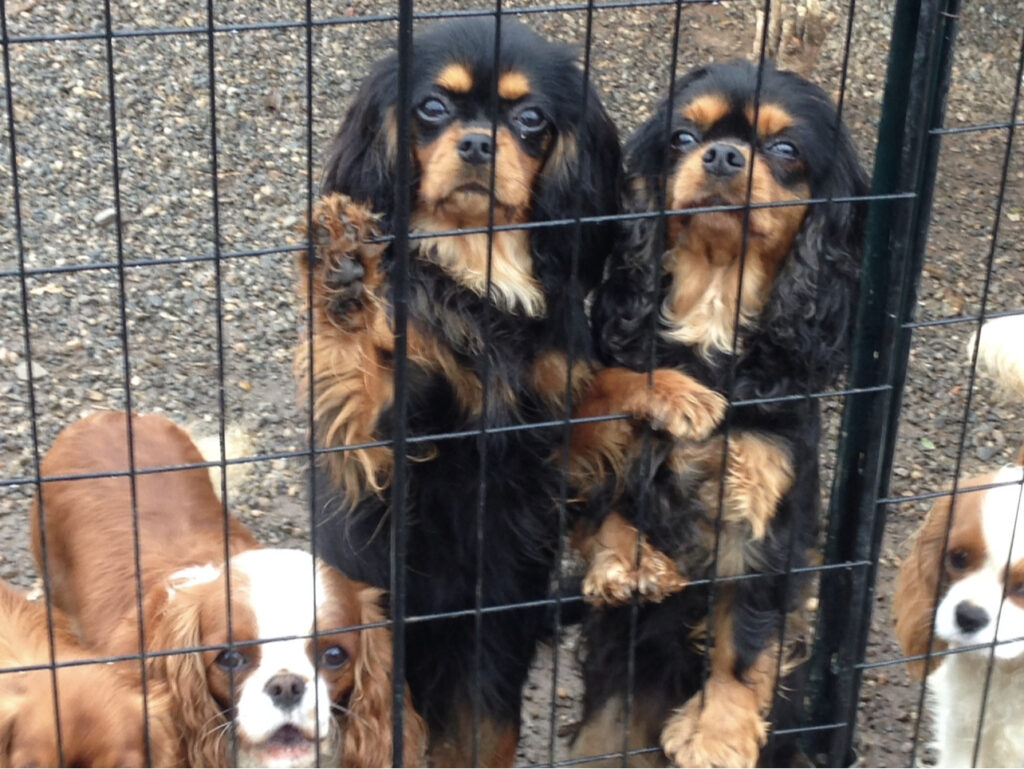

Pooch Pads for Boys
Don’t be afraid to live with a Cavalier boy just because of his anatomy. Try the boy wrap/diapers to prevent pee accidents. Pooch Pad Diaper Wraps for Boys is an excellent product ! They wrap around the tummy and attach with velcro. Other versions have tabs and look more like baby diapers. They can’t tear off this style as quickly, like the ones with tabs. Pooch Pads brand really works and holds lots of urine, overnite. Easy to wash too !

Overweight dogs, like humans, can face a range of health issues due to excess weight. Here are some key points to consider:
Causes
- Diet: Overfeeding or giving high-calorie treats can contribute to weight gain.
- Lack of Exercise: Insufficient physical activity is a common cause.
- Health Conditions: Some medical issues, such as hypothyroidism or Cushing’s disease, can lead to weight gain.
- Age: Older dogs may be less active and have slower metabolisms.
Health Risks
- Joint Problems: Excess weight puts additional stress on joints, increasing the risk of arthritis.
- Heart Disease: Overweight dogs are at a higher risk for cardiovascular problems.
- Diabetes: Obesity can lead to insulin resistance and diabetes.
- Shorter Lifespan: Carrying extra weight can reduce a dog’s overall lifespan.
Management and Prevention
- Balanced Diet: Consult your veterinarian to create a healthy meal plan.
- Regular Exercise: Aim for daily walks and playtime to promote a healthy weight.
- Routine Vet Checkups: Regular visits can help monitor weight and health conditions.
- Portion Control: Measure food servings to prevent overfeeding.
- Training and Mental Stimulation: Engaging activities can keep dogs active and help them lose weight.
Weight Loss Programs
If a dog is overweight, it’s important to approach weight loss gradually and under veterinary supervision to ensure it’s done safely. A combination of diet, exercise, and lifestyle changes can lead to successful weight management.
Addressing weight issues early can lead to a healthier, happier life for your dog.

Helping Your Older Cavalier Puppy Adjust to a New Home
At Lizmere, we take pride in raising well-socialized, loving Cavalier King Charles Spaniels. Whether you’re bringing home a young puppy or an older one, it’s important to understand the natural differences in how they adjust to a new family.
Young Puppies (Around 10-12 Weeks Old)
At this age, everything is new and exciting! These puppies are still in the early stages of social development and tend to adapt quickly. They’re eager to explore and bond, often settling in with their new families in just a few days.

Older Puppies (4 Months and Up)
Older puppies are just as affectionate and intelligent, but their adjustment process may take a little longer. By this stage, they’ve already formed strong bonds with their littermates and caregivers. It’s completely normal if they seem a bit shy or hesitant at first.
You might notice your older puppy:
- Observing quietly before joining in
- Hanging back rather than immediately approaching
- Taking several days—or even a couple of weeks—to fully open up
This is a healthy sign of emotional depth, not a problem.
How You Can Help Them Settle In
- Be patient – Allow your puppy time to decompress.
- Create a routine – Consistency helps build trust.
- Use gentle encouragement – Let them come to you at their pace.
- Offer quiet affection – Cavaliers thrive on love and attention.
The Reward
Once an older Cavalier bonds with you, the connection is deep and enduring. These dogs are intuitive, loyal, and incredibly devoted. The trust you earn in those early days will blossom into a lifelong friendship.
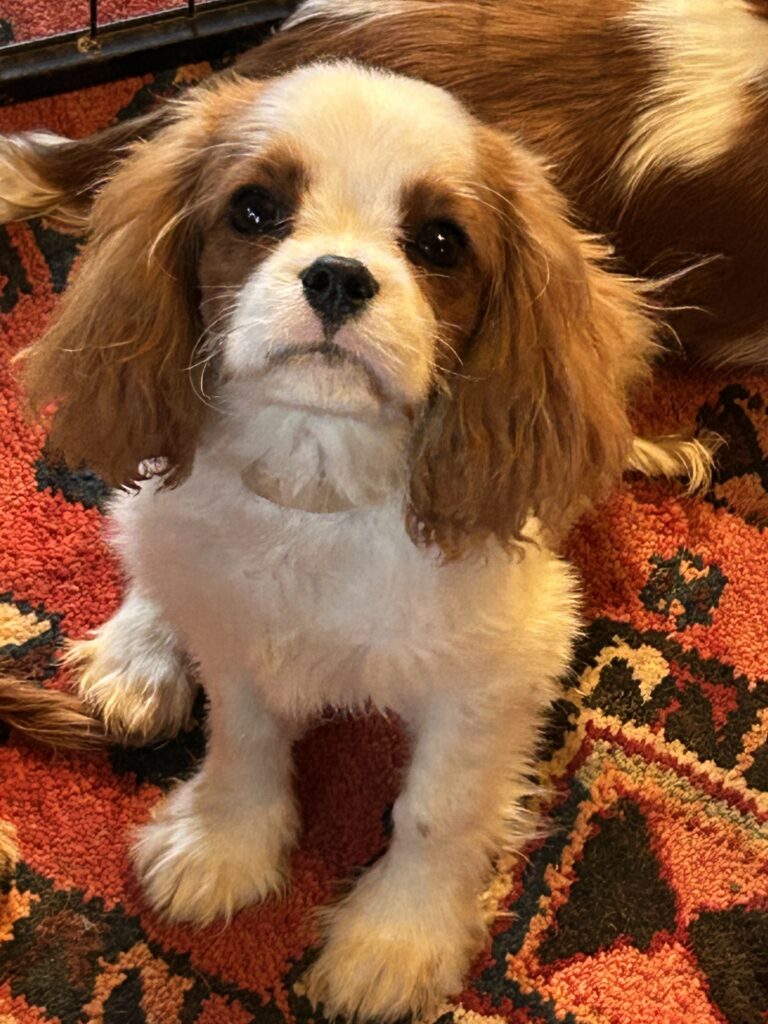
Thimerosal-Free Vaccines
Today, veterinary vaccines still contain thimerosal which is a dangerous neurotoxin – despite the dire warning signs that have been present for nearly a century. But what of thimerosal-free vaccines?
A few companies are making thimerosal-free canine rabies vaccines. Merial makes a thimerosol-free rabies vaccine called IMRAB 3 TF (the 3 designates a 3-year vaccine, and TF stands for “Thimersol-free”). There is also a 1 year version, IMRAB 1 TF.
So how do you know if the vaccine your vet wants to give your dog has mercury in it?
You can ask before you allow your vet to give that vaccine. Thimerosal-free vaccines may certainly be a better option than their mercury-containing counterparts.
Things to Know about Giardia in Puppies
- Giardia is a single-celled protozoan intestinal parasite that can cause vomiting, diarrhea, weight loss, and inappetence in dogs.
- Giardia can be passed on from pet to pet when animals that have the parasite contaminate a drinking vessel.
- Giardiasis typically affects young dogs with underdeveloped immune systems.
- Puppies ingest giardia parasites when drinking contaminated water such as puddles or ponds.
- Treatment for giardia in dogs includes oral medications, most commonly Panacur or metronidazole.
- To prevent recurrence of giardia, do not let your dog drink from lakes, rivers, or creeks, and keep your yard clean of any dog stool.
- Occasionally a mother dog can be an asymptomatic carrier of giardia and/or coccidiosis. This form of parasite can be picked up on a walk, from unfiltered standing bodies of water, dog-to-dog, brought into the yard by a foreign animal, picked up from dog shows, et cetera.
When Puppies Leave Home
When a puppy leaves his birth home and is separated from his littermates and familiar surroundings, he often grieves and becomes withdrawn — especially if his new environment is quiet. At that age, he’s still in a sensitive socialization and attachment window, so the right approach now can make all the difference.
Here’s a detailed, practical plan the new owners can follow to help him acclimate:

1. Create a Calm, Predictable Environment
- Keep routines consistent — same feeding, potty, and nap times every day. Predictability builds security.
- Limit overwhelming visitors or noises the first week or two.
- Set up a safe “den space” (crate or small gated area) with familiar bedding or a blanket from his breeder home if possible.
- Avoid trying to “force” affection; let him approach when ready.
2. Build Trust Slowly
- Sit quietly on the floor near him, reading or humming softly. Let him sniff and explore at his own pace.
- Hand-feed part of his meals — this creates a positive association with the new humans.
- Use gentle praise and soft voices; sudden movements or loud tones can feel intimidating to a shy pup.
- For elderly owners, encourage calm eye contact, slow blinking, and low, friendly talking instead of reaching hands first.
3. Associate People With Good Things
- Offer tiny treats whenever he looks toward or approaches his new parents — classical conditioning at work.
- Play short, low-key games (rolling a soft ball a few feet, gentle tug with a plush toy).
- Toss treats gently across the floor instead of trying to pet right away — this builds trust through distance.
4. Encourage Gentle Socialization
- After a few days, introduce short, happy outdoor walks to explore new scents — just a few minutes at first.
- Invite one friendly, calm dog or known puppy friend for a brief playdate to ease loneliness.
- Use a light, comfortable harness and praise him for every step forward.
5. Manage Homesickness
- Expect a few days (sometimes up to 2 weeks) of sadness, clinginess, or retreating under furniture.
- Offer comforting background sound (soft music, TV, heartbeat toy).
- Avoid scolding if he hides or resists interaction — that deepens the fear.
6. Strengthen the Bond
- Owners can do quiet bonding rituals — brushing, gentle lap time, or hand-feeding.
- Teach simple cues with praise (“come,” “sit”) using very short sessions. Success builds confidence.
- After trust forms, physical affection can increase naturally — many shy puppies become very loving once they feel safe.
Timeline
- Usually within 7–14 days, even a shy puppy will start wagging, playing, and seeking touch if the environment stays calm and positive.
- By 3–4 weeks, the pup should begin forming a secure attachment.
If Withdrawn Behavior Persists
- Have the vet rule out pain, illness, or hearing/vision issues.
- A trainer experienced in puppy socialization can guide gentle exposure exercises.
- Avoid dominance-based methods entirely; they’ll set him back emotionally.
Good health for a canine is characterized by several key indicators:
- Energetic and Happy: A healthy dog should exhibit an alert and happy demeanor, showing interest in their surroundings and activities.
- Appetite: A good appetite is a sign of health; a dog should eat their meals within a short time and show interest in food.
- Weight Management: Maintaining a healthy weight is crucial, as obesity can lead to various health issues.
- Dental and Oral Health: Regular dental care is essential to prevent dental problems that can affect overall health.
- Regular Vet Check-ups: Conducting regular wellness exams and vaccinations is vital for monitoring a dog’s health and preventing potential health issues.
- These factors collectively contribute to a dog’s overall well-being and health.
